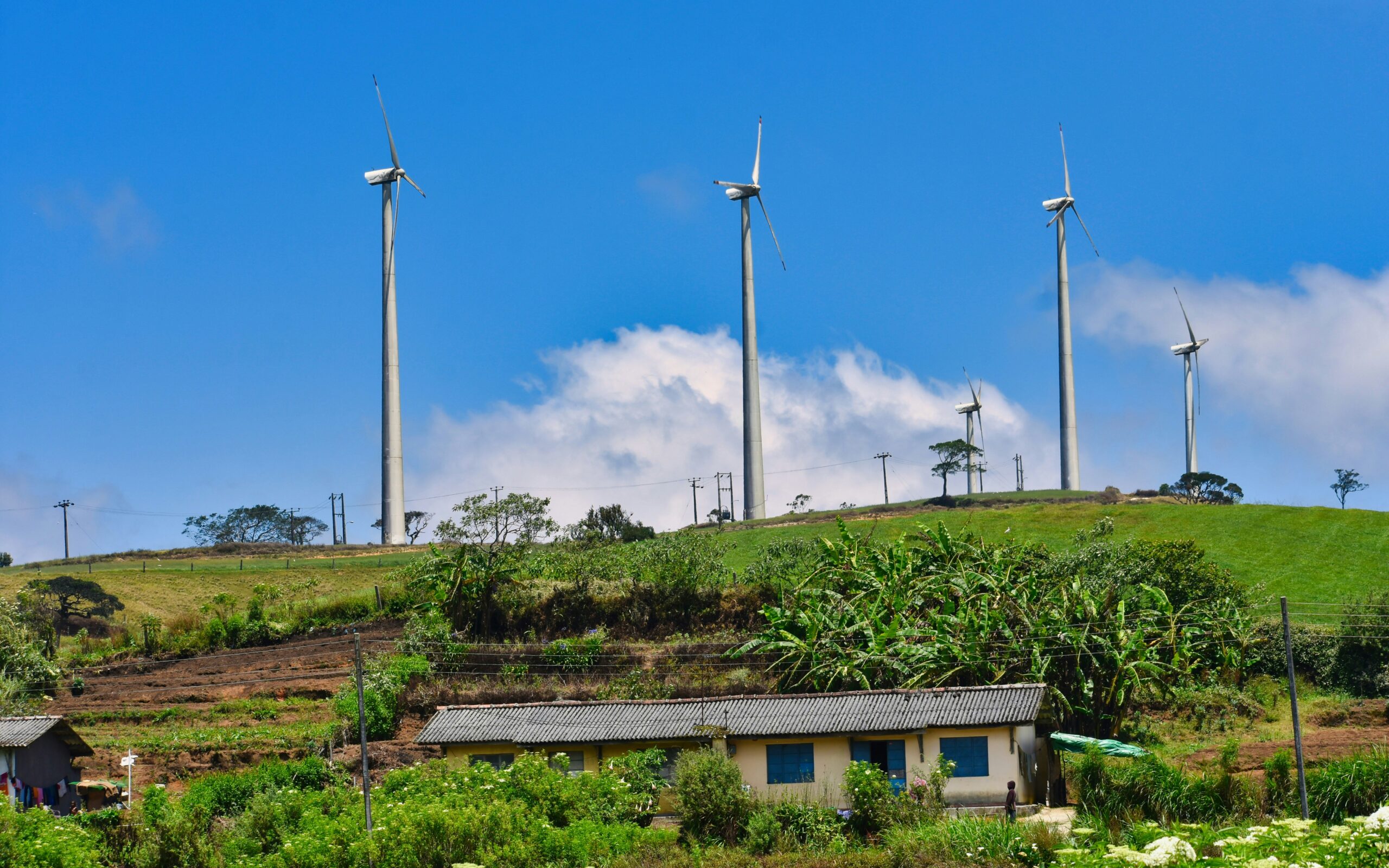
Renewable energy is no longer a future goal—it’s a global priority. Around the world, international organizations are helping countries expand solar, wind, hydropower, geothermal, and bioenergy solutions while improving energy access and cutting emissions. These groups support policy development, financing, innovation, and cross-border collaboration, making the transition to clean energy faster and more practical for everyone.
In addition, they create shared standards, publish research, and guide long-term planning so nations can move forward with confidence. From technical training to large-scale funding, these organizations play a key role in building a more sustainable energy system.
Why International Renewable Energy Organizations Matter
International renewable energy organizations help connect governments, investors, researchers, and communities under one shared mission: accelerating clean energy adoption. They often provide expertise that many countries may not have internally, especially when it comes to modern grid systems, energy storage, and renewable integration strategies.
Moreover, these organizations improve cooperation across regions by encouraging knowledge-sharing and partnerships. As a result, countries can learn from successful renewable energy models and avoid costly mistakes while moving toward reliable, low-carbon energy solutions.
International Renewable Energy Agency (IRENA)
IRENA is one of the most recognized global organizations dedicated entirely to renewable energy. It supports member countries by offering data, policy guidance, investment insights, and long-term planning tools that help accelerate clean energy deployment.
Additionally, IRENA helps nations build stronger renewable energy markets through practical roadmaps and technical recommendations. For example, it frequently highlights trends in renewable costs, global capacity growth, and energy transition progress, helping decision-makers take informed action.
United Nations and Renewable Energy Programs
The United Nations supports renewable energy through multiple initiatives and agencies focused on sustainability and climate action. These efforts are often linked to global development goals, including affordable energy access, climate resilience, and economic growth.
Furthermore, UN-backed programs encourage international collaboration through conferences, agreements, and funding pathways. Because of this global influence, UN initiatives can help align renewable energy progress with broader priorities like poverty reduction and improved public health.
International Energy Agency (IEA) and Clean Energy Research
The IEA plays a major role in shaping energy policy discussions worldwide by publishing high-quality research and forecasts. Although it covers all energy types, its renewable energy analysis has become increasingly important as countries transition away from fossil fuels.
In addition, the IEA provides guidance on energy security, grid modernization, and emerging clean technologies. Therefore, policymakers and industry leaders often rely on IEA reports to understand renewable growth opportunities and prepare for future energy challenges.
World Bank Group and Renewable Energy Financing
The World Bank supports renewable energy projects by providing financing, policy support, and technical expertise. This is especially valuable for developing countries that need capital to expand clean energy infrastructure and improve electricity access.
Likewise, World Bank-backed programs often help reduce investment risks through guarantees and structured funding models. As a result, renewable energy projects can attract private investors more easily and scale up faster in regions where energy demand is rising.
Green Climate Fund (GCF) and Climate Investment Support
The Green Climate Fund helps countries fund climate-related projects, including renewable energy development. It focuses heavily on supporting nations that are most vulnerable to climate impacts, making clean energy solutions more accessible where they’re needed most.
Additionally, the GCF encourages low-emission development by financing large-scale renewable programs and strengthening national climate plans. Consequently, countries can improve energy systems while meeting international climate commitments more effectively.
Global Environment Facility (GEF) and Renewable Energy Innovation
The Global Environment Facility supports environmental initiatives worldwide, including renewable energy adoption and clean technology improvements. It often funds projects that reduce greenhouse gas emissions while improving energy efficiency and sustainability.
Moreover, the GEF helps pilot innovative renewable solutions that may later be expanded at a national level. For instance, it can support new policy frameworks, technical training, and early-stage clean energy programs that lead to long-term impact.
Regional Renewable Energy Organizations and Partnerships
Regional organizations and alliances play a crucial role by addressing renewable energy needs specific to certain areas. Since energy challenges vary by geography, these groups can offer more targeted support than global institutions alone.
At the same time, regional partnerships encourage shared infrastructure planning and cross-border energy trade. This helps improve grid stability and allows countries to benefit from renewable resources beyond their own borders.
How These Organizations Support Policy and Standards
Many international renewable energy organizations help governments design policies that encourage clean energy investment. This can include renewable energy targets, incentive programs, grid regulations, and long-term planning strategies.
Equally important, they contribute to international standards that improve safety, efficiency, and project quality. With clearer standards in place, renewable energy markets become more reliable, which strengthens investor confidence and speeds up deployment.
Benefits for Developing Countries and Emerging Markets
Developing countries often face barriers like limited financing, weak grid systems, and a shortage of trained professionals. International renewable energy organizations help reduce these challenges by providing funding access, technical support, and capacity-building programs.
In addition, they help emerging markets adopt clean energy without slowing economic development. By supporting renewable energy growth, these organizations promote job creation, improved energy access, and stronger long-term stability for local communities.
The Future of Global Collaboration in Renewable Energy
As renewable technologies continue to improve, international organizations will remain essential for guiding large-scale transformation. Their work will become even more valuable in areas like battery storage, green hydrogen, smart grids, and clean industrial development.
Ultimately, the world’s energy transition depends on cooperation, shared knowledge, and strategic investment. With continued international support, renewable energy can expand faster, reduce emissions, and deliver cleaner, more secure power for generations to come.