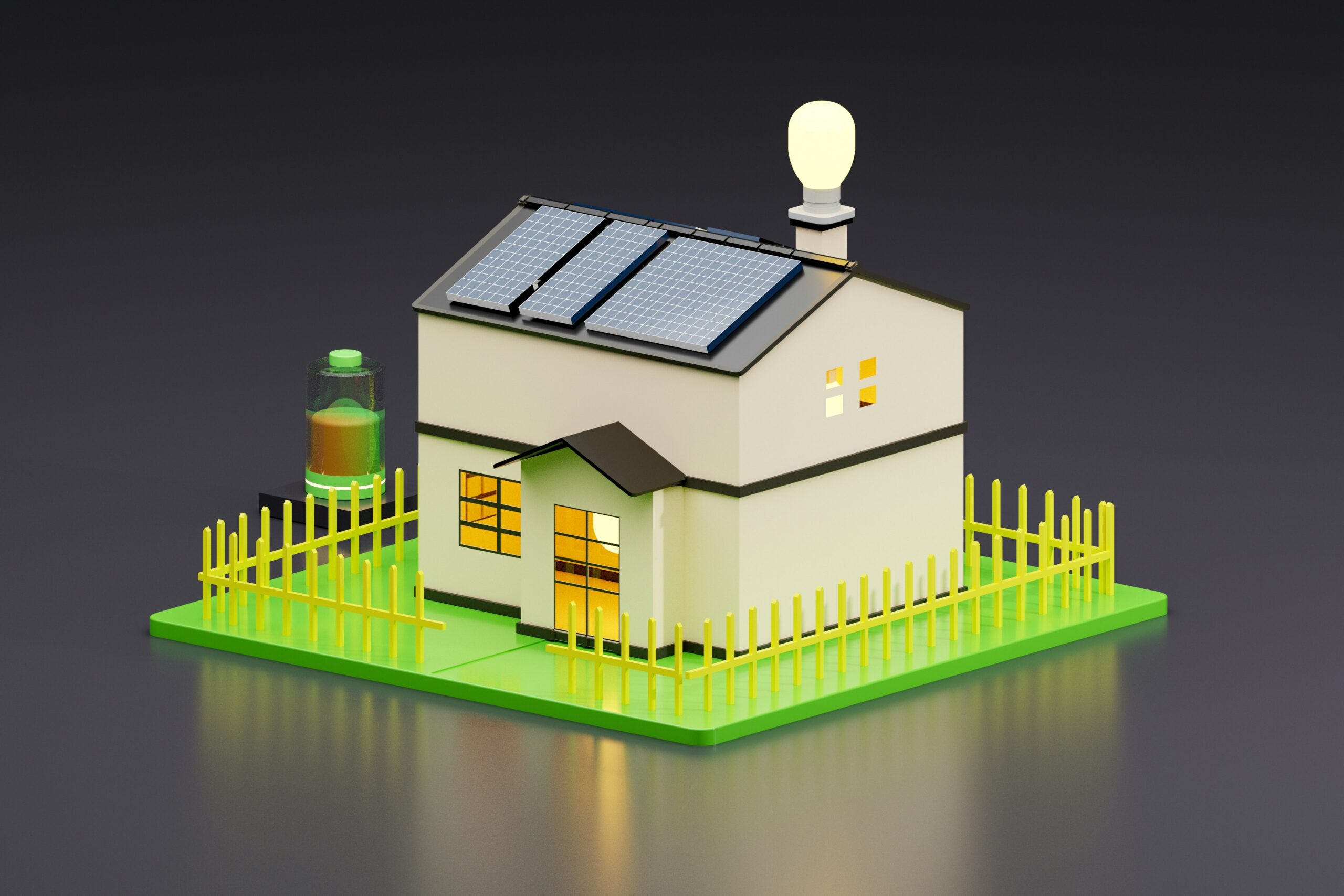
Installing solar panels for residential renewable energy is becoming a wise choice for many homeowners. People want lower power bills, cleaner energy, and more control over their homes. Solar power makes this possible by turning sunlight into usable electricity. This guide explains the process, what to expect, and how to make good choices along the way.
Solar energy systems may seem complex at first, but the steps are simple when explained clearly. With the proper planning, installing solar panels for residential renewable energy can be smooth and rewarding.
Why Homeowners Choose Solar Power
Many families turn to solar energy to cut monthly electric costs. Once panels are installed, sunlight is free. Over time, this can lead to substantial savings. Solar power also reduces reliance on fossil fuels. This helps protect air quality and supports a cleaner future.
Another reason is energy independence. Solar panels allow homes to produce their own power. When paired with battery storage, homes can keep lights on during outages. This adds comfort and peace of mind.
Home value is another factor. Homes with solar systems often attract buyers. Many people see solar as a long-term upgrade rather than an expense.
How Residential Solar Panels Work
Solar panels are made of cells that capture sunlight. These cells create direct current electricity. An inverter then converts this power to alternating current, which is used in most homes.
The system connects to the main electrical panel. Power flows to appliances first. Any excess energy may be fed back into the power grid if net metering is available. In some areas, homeowners receive credits for this additional energy.
This simple process runs quietly and needs little daily attention.
Evaluating Your Home for Solar Installation
Before installing solar panels for residential renewable energy, the home must be evaluated. Roof condition is essential. Panels last for decades, so the roof should be in good shape. If repairs are needed, it is best to fix them before installation.
Roof angle and direction also matter. South-facing roofs usually receive the most sunlight. East- and west-facing roofs can also work well. Shading from trees or nearby buildings can lower system output.
An energy assessment can help. This shows how much electricity the home uses and how large the solar system should be.
Understanding System Types and Options
There are different types of solar systems for homes. Grid-tied systems connect to the utility grid. These are common and cost-effective. Off-grid systems are fully independent and use batteries to store energy. Hybrid systems combine both options.
Panel types also vary. Monocrystalline panels are efficient and compact. Polycrystalline panels cost less but need more space. Thin-film panels are flexible but less common in homes.
Choosing the right system depends on budget, energy goals, and local rules.
The Solar Installation Process Step by Step
Installing solar panels for residential renewable energy follows a straightforward process. First comes planning and system design. Installers review roof layout and power needs. They then create a system plan.
Next is permitting. Local authorities review plans to ensure safety and code compliance. This step can take time, but it is necessary.
Installation day is often quick. Crews mount the panels, install wiring, and connect the inverter. This usually takes one to three days. After installation, inspections are completed. Once approved, the system is activated and begins producing power.
Costs, Incentives, and Long-Term Savings
Solar system costs vary by size and location. Many homeowners worry about upfront costs, but incentives help reduce this. Federal tax credits can lower total expenses. Some states and utilities offer rebates or performance payments.
Financing options are also available. Loans and solar leases help spread costs over time. Monthly payments are often lower than past electric bills.
Over the life of the system, savings can be significant. Panels often last 25 years or more. This makes solar a long-term investment.
Maintenance and Performance Over Time
Solar panels require very little maintenance. Rain often keeps them clean. In dusty areas, light washing may help improve output. Annual inspections ensure wiring and mounts remain secure.
Inverters may need to be replaced after several years. Monitoring systems help track performance and detect issues early. With basic care, systems perform reliably year after year.
Common Mistakes to Avoid
Some homeowners rush the process. Choosing the lowest price without checking quality can lead to problems. It is essential to work with licensed and experienced installers.
Another mistake is ignoring future energy needs. Electric vehicles or home additions can increase power use. Planning for growth avoids costly upgrades later.
Skipping warranty reviews is also risky. Strong warranties protect panels, inverters, and artistry.
Is Solar Right for Your Home
Installing solar panels for residential renewable energy is a personal decision. It depends on location, budget, and goals. Homes with good sun exposure and steady power use often benefit the most.
Solar energy is not just about savings. It is about control, stability, and cleaner living. With careful planning and clear understanding, homeowners can enjoy reliable renewable power for many years.
Solar power continues to grow as technology improves and costs decline. For many families, now is a strong time to explore this clean energy option and take the next step toward a more efficient home.