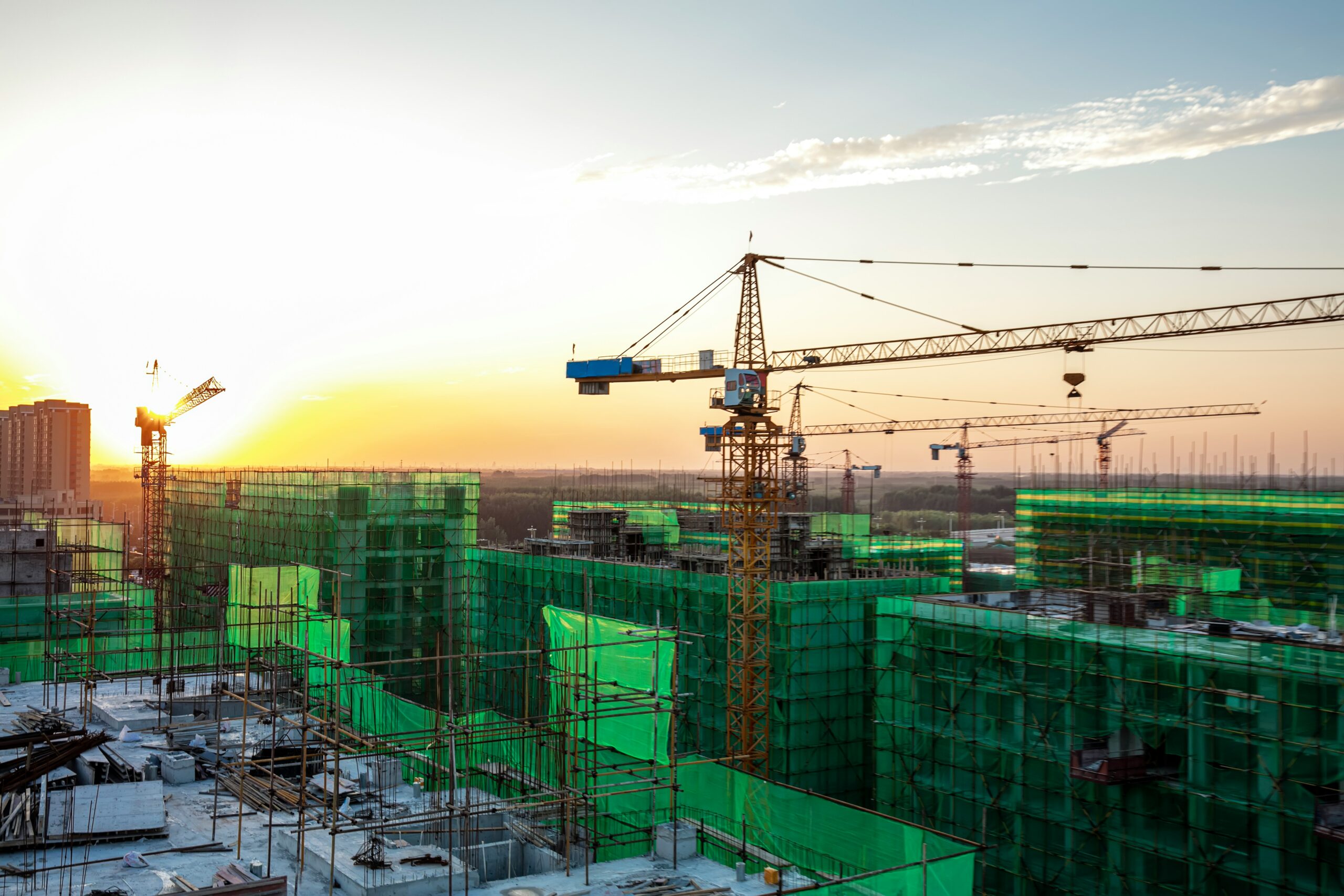
Land development continues to guide real estate growth as more cities expand and new communities rise. Because buyers want strong locations and better-designed neighborhoods, developers focus on creating spaces that match the needs of modern living and support modern communities. As a result, real estate markets grow more stable, and investments gain long-term value.
Strategic Planning Drives Modern Land Development
Strategic planning helps developers design communities that offer comfort and connection. Because buyers want convenient access to work, schools, and recreation, developers place great care on maps, layouts, and future growth. This approach encourages stronger neighborhoods and increases the value of surrounding properties through thoughtful design.
Moreover, strategic planning ensures that land development supports long-term real estate growth. Developers study local trends, evaluate land features, and create layouts that benefit everyone. Through this steady approach, communities form in ways that promote balance, safety, and stronger real estate performance.
How Infrastructure Supports Real Estate Growth
Infrastructure remains one of the most important parts of land development because it shapes how communities function. Roads, utilities, and drainage systems create the foundation for new homes and businesses. When these systems work well, property values rise, and the area becomes more attractive to potential buyers.
In addition, quality infrastructure encourages faster construction, better transportation, and safer living conditions. These improvements make communities more appealing and help maintain long-term growth. As cities face higher demand, infrastructure will continue to guide how real estate expands.
Technology Pushes Land Development Forward
Technology plays a significant role in land development by enabling developers to work with greater accuracy. Tools such as digital maps, drones, and 3D modeling provide teams with a clearer understanding of land features. With better data, developers can build safer communities and reduce costly mistakes.
Furthermore, technology helps improve communication between planners, engineers, and investors. As information becomes easier to share, projects move faster and stay on track. In turn, real estate growth remains strong because each project benefits from modern tools and efficient planning.
Sustainability Strengthens Community Growth
Sustainability has become a key part of land development because buyers want healthier and more efficient communities. Developers now add green spaces, energy-saving systems, and environmentally friendly layouts. These elements support cleaner air, lower utility costs, and better outdoor experiences.
Because sustainable design improves quality of life, it also raises property values. As more people seek eco-friendly living, developers must continue to include these features. Sustainable land development, therefore, shapes the future of real estate by supporting both comfort and long-term environmental health.
Urban Expansion Creates New Real Estate Opportunities
Urban expansion continues as more people move toward cities for work and lifestyle benefits. Land development prepares these areas for taller buildings, mixed-use zones, and modern living spaces. This growth creates new opportunities for investors and supports the long-term strength of local housing markets.
At the same time, urban expansion encourages communities to become more walkable and connected. With shorter commutes and easier access to shopping and entertainment, residents enjoy a higher quality of life. Because of this, land development helps cities grow smarter and stay attractive to future generations.
Suburban Growth Gains Strength Through Land Development
Suburban areas expand quickly, and land development helps meet the rising demand for more space. Families want larger homes, safer streets, and quiet neighborhoods, so developers carefully plan new subdivisions. These areas offer comfort while still providing access to nearby urban centers.
Additionally, suburban growth supports new businesses and local services. As more people move into these regions, shops, schools, and recreation centers follow. Because the cycle continues to grow, real estate markets in suburban zones remain strong and stable.
Land Development Encourages Long-Term Investment
Investors view land development as a dependable path to long-term gain. As land becomes ready for construction, its value increases, and surrounding properties benefit. This process makes each development project an essential part of the broader real estate market.
Moreover, long-term appreciation becomes easier when land development improves roads, utilities, and community design. As these areas grow, investors gain confidence and often return for additional opportunities. In every region, these improvements lead to stronger markets and steady growth.
Challenges Developers Must Manage for Long-Term Success
Developers face challenges as they work to improve land and support real estate growth. Zoning rules, environmental guidelines, and approval requirements can slow progress. However, these steps protect communities and help ensure thoughtful planning throughout each project.
Construction costs continue to rise, making efficient planning more critical than ever. Developers rely on modern tools, better budgeting, and intelligent scheduling to stay on track. Even with these challenges, land development remains a driving force behind real estate expansion.
Community Amenities Increase Real Estate Demand
Community amenities play a significant role in the success of land development because buyers want more than just a home. They want access to parks, fitness trails, clubhouses, and shared gathering areas that support a balanced lifestyle. As developers add more amenities, communities grow stronger and become more appealing to a wide range of buyers.
These features also raise the value of nearby homes and help neighborhoods stay competitive in a changing market. When people enjoy safe play areas, clean recreation zones, and social spaces, they stay longer and invest more in their community. This stability supports long-term real estate growth and encourages future development.
Market Trends Influence Development Strategies
Market trends shape how developers choose new locations and design future communities. Because buyer preferences shift often, developers study data to learn what people want in both urban and suburban areas. This information helps guide land development and ensures that projects match current demand and future growth patterns.
Developers also watch trends in job growth, transportation changes, and lifestyle habits. These insights lead to better planning and help communities grow in the right direction. Since real estate markets evolve quickly, adapting to trends keeps land development efficient and relevant.
Strong Land Values Support Economic Growth
Strong land values contribute to the overall health of local economies by attracting businesses, investors, and homebuyers. When land development improves an area, confidence rises, and new industries follow. This growth cycle creates jobs and supports long-term financial stability for the entire region.
Higher land values also encourage cities to invest in public services such as schools, parks, and safety programs. As communities improve, demand for real estate rises, and development continues. Because land serves as the foundation for all building projects, its value plays a significant role in shaping future economic success.
The Future of Real Estate Growth Through Land Development
The future of real estate growth depends heavily on strong land development. As communities evolve, developers will continue to create more innovative layouts, greener systems, and more connected living spaces. These ideas build neighborhoods that remain valuable for years to come.
Because demand rises each year, land development will shape new markets, guide investments, and support stronger communities. With steady planning and modern tools, the future of real estate looks bright, flexible, and ready for continuous growth.