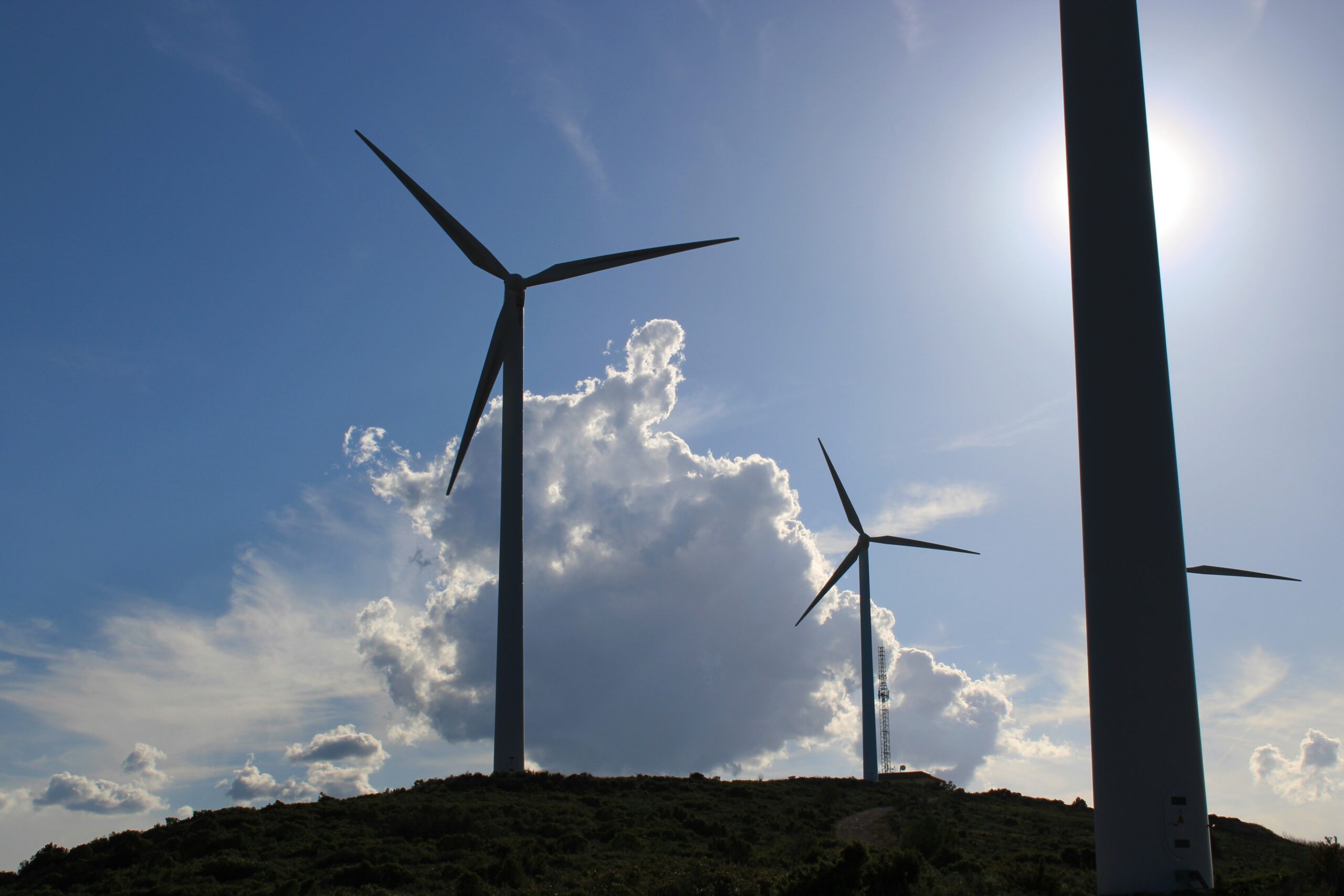
Renewable energy continues to grow rapidly across the United States. Homeowners, businesses, and utility companies now rely on solar panels, wind turbines, and other clean technologies more than ever before. However, installing a renewable energy system is only the first step. To get the best results, you must track how well the system performs over time.
Tracking the performance of renewable energy systems helps owners protect their investment. It also ensures steady energy production, lower costs, and long-term reliability. In this article, you will learn why performance tracking matters, how it works, and which tools make the process easier.
Understanding renewable energy performance
Before diving into tracking methods, it helps to understand what performance really means. In simple terms, performance refers to how much energy a system produces compared to its expected output. When a system runs at peak efficiency, it generates power close to its design capacity.
Several factors influence performance. Weather conditions, system design, equipment quality, and maintenance all play a role. For example, cloudy days reduce solar output, while poor turbine placement can limit wind energy production. Because so many variables exist, ongoing monitoring becomes essential.
By tracking performance regularly, owners can spot trends and respond quickly. As a result, they avoid energy losses and keep systems running smoothly.
Why performance tracking matters
Tracking the performance of renewable energy systems offers many benefits. First, it helps maximize energy output. When systems run efficiently, they produce more power without extra cost. That increased output directly improves financial returns.
Second, performance tracking helps identify problems early. Small issues, such as shading on solar panels or loose connections, often go unnoticed. Over time, these minor problems can lead to significant losses. Monitoring tools alert owners when performance drops, so repairs happen sooner rather than later.
Third, tracking supports better planning. By analyzing performance data, owners can predict future energy production more accurately. This insight helps with budgeting, energy storage decisions, and system expansion plans.
Finally, performance tracking builds confidence. When owners see real data that confirms system reliability, they trust renewable energy even more. That trust encourages wider adoption across communities.
Key metrics used in performance tracking
To track performance effectively, you need to understand the most critical metrics. These measurements provide a clear picture of how a system performs each day.
Energy output remains the most basic metric. It shows how much electricity the system produces over a given period. Most monitoring systems report output daily, monthly, and annually.
The capacity factor offers deeper insight. This metric compares actual energy production to the maximum possible output. A higher capacity factor indicates better system utilization.
Efficiency measures how well a system converts natural resources into usable electricity. For solar panels, efficiency reflects how much sunlight turns into power. For wind turbines, it shows how effectively wind energy becomes electricity.
System availability also matters. This metric tracks how often the system operates as intended. Frequent downtime signals maintenance or equipment issues that need attention.
When combined, these metrics create a reliable performance overview.
Tools used to track renewable energy performance
Modern technology makes tracking renewable energy systems easier than ever. Many systems include built-in monitoring software that collects real-time data. These tools often connect to mobile apps or web dashboards.
Solar monitoring platforms track panel output, voltage, and efficiency. They also compare actual production to expected levels based on weather data. If performance drops, alerts notify the owner immediately.
Wind energy systems use sensors to measure wind speed, turbine rotation, and power output. These sensors feed data into centralized monitoring platforms that analyze trends over time.
Energy management systems also play a key role. These platforms combine data from multiple sources, including batteries and grid connections. As a result, owners gain a complete view of energy generation and usage.
Cloud-based monitoring adds another advantage. Because data is stored securely online, owners can access performance information anytime, from anywhere.
The role of data analytics and reporting
Collecting data alone does not improve performance. The real value comes from analyzing that data. Data analytics tools turn raw numbers into actionable insights.
For example, analytics software can identify seasonal patterns in energy production. Solar systems often perform better in summer, while wind systems may peak during colder months. By recognizing these trends, owners plan energy usage more effectively.
Predictive analytics also helps prevent failures. By analyzing historical data, systems can forecast when components might wear out. As a result, maintenance teams schedule repairs before breakdowns occur.
Clear reporting supports better communication as well. Investors, regulators, and stakeholders often require performance reports. Automated reporting tools generate easy-to-understand summaries that show progress and reliability.
Through smart analytics, performance tracking becomes a powerful decision-making tool.
How performance tracking supports maintenance
Maintenance plays a crucial role in renewable energy success. Performance tracking makes maintenance more efficient and less costly.
Instead of relying on fixed maintenance schedules, owners can use condition-based maintenance. This approach relies on performance data to determine when service is needed. As a result, systems receive attention at the right time, not too early or too late.
Tracking also helps locate specific problems. For instance, a drop in solar output from one panel may indicate dirt buildup or physical damage. Technicians can address the exact issue without inspecting the entire system.
Over time, data-driven maintenance extends equipment life. Well-maintained systems last longer and deliver better returns on investment.
Challenges in tracking renewable energy performance
While performance tracking offers many benefits, it also presents challenges. Data accuracy remains a common concern. Faulty sensors or communication errors can produce misleading results.
Data overload also affects some users. Large systems generate massive amounts of information. Without proper tools, owners may struggle to interpret the data effectively.
Integration issues can arise as well. Renewable energy systems often include equipment from different manufacturers. Ensuring all components work together within one monitoring platform requires careful planning.
Despite these challenges, ongoing improvements in software and hardware continue to simplify performance tracking.
Best practices for effective performance tracking
To get the most value from performance tracking, follow proven best practices. First, choose reliable monitoring equipment from trusted providers. Quality sensors and software improve accuracy and durability.
Second, set clear performance benchmarks. Compare actual output against realistic expectations based on system design and location. This comparison helps identify true performance issues.
Third, review data regularly. Daily checks may suit small systems, while larger installations benefit from weekly or monthly reviews. Consistent monitoring prevents long-term problems.
Fourth, train staff or system owners properly. Understanding how to interpret data ensures faster and better decisions.
Finally, update monitoring tools as technology evolves. New features and analytics capabilities can unlock additional performance gains.
The future of renewable energy performance tracking
The future of performance tracking looks promising. Artificial intelligence and machine learning already enhance data analysis. These technologies detect subtle patterns that humans might miss.
Smart grids also improve tracking capabilities. As renewable systems connect more closely with grid infrastructure, performance data becomes even more valuable. Grid operators can balance supply and demand more efficiently.
Internet of Things devices continue to expand as well. Smaller, smarter sensors collect more detailed data with lower costs. This trend makes advanced monitoring accessible to more users.
As renewable energy adoption grows, performance tracking will remain a critical success factor.
Final thoughts on tracking renewable energy systems
Tracking the performance of renewable energy systems transforms clean energy from a simple installation into a long-term success. Through accurate monitoring, smart analytics, and proactive maintenance, owners protect their investment and maximize output.
Whether you manage a small rooftop solar system or a large wind farm, performance tracking provides clarity and confidence. With the right tools and practices, renewable energy systems can deliver reliable, efficient power for decades.