Renewable energy technology continues to shape a cleaner future by offering solutions that help people and communities reduce harmful emissions. It uses natural resources that never run out, which makes it both reliable and sustainable. When people learn about how renewable energy technology works, they often feel more confident choosing clean power for their homes or businesses. This knowledge also helps them understand how they contribute to protecting the planet.
Today, renewable energy technology is growing rapidly because it delivers better performance than older systems that depend on fossil fuels. People everywhere look for better ways to power their daily lives, and this technology offers helpful choices. As interest increases, so does innovation, leading to more creative tools that support long-term energy needs. With the right guidance, anyone can explore these clean options and find the one that fits their goals.
Solar Energy and Its Everyday Uses
Solar energy remains one of the most popular forms of renewable energy technology because it captures sunlight and turns it into clean power. People use solar panels on rooftops and open land to produce energy for homes, offices, schools, and farms. The panels work in different climates, making them useful for many communities. Although sunlight may change throughout the day, solar systems continue to deliver strong results when paired with modern energy storage tools.
Solar energy helps people enjoy steady electricity without relying on traditional fuel sources. Many families choose solar systems to lower energy costs and gain more control over their power supply. Businesses choose solar energy because it supports sustainability goals and improves their reputation. Since solar panels last a long time and need very little care, they continue to provide value for many years. As a result, the world sees solar power as a reliable way to advance clean energy.
Wind Energy Powering Homes and Larger Communities
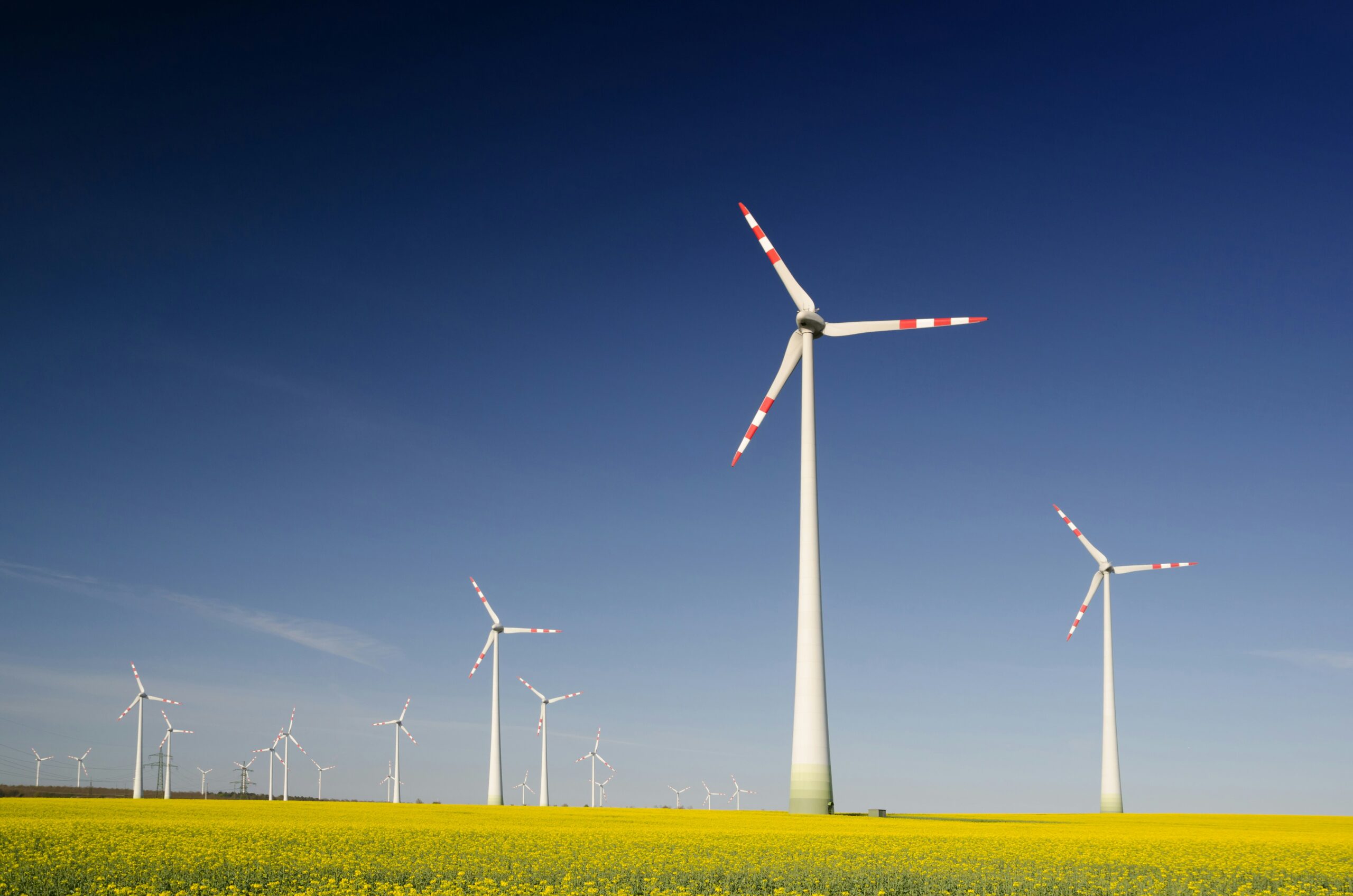
Wind energy is another major renewable energy technology because it uses moving air to generate electricity. Tall wind turbines work in open areas where the wind flows freely. People often see these turbines in fields, near coasts, and across wide plains. They spin with the wind and send power to homes and businesses. When communities use wind energy, they enjoy cleaner air and lower carbon emissions.
Wind energy also supports regions that need a steady year-round supply of electricity. Even when the weather changes, wind turbines often continue to produce power. This helps balance the energy grid and reduces pressure on older fuel systems. Many companies invest in wind energy because it brings long-term savings and cleaner operations. Although the turbines require space, their benefits continue to grow as new technology improves performance. Wind power remains a vital part of the clean energy landscape.
Hydropower and Its Reliable Clean Energy Output
Hydropower provides a consistent supply of electricity because it uses flowing water to turn powerful turbines. Rivers, streams, and controlled water systems all support hydropower generation. The steady flow of water helps generate energy around the clock, making hydropower one of the most reliable renewable energy technologies. Since water continues to flow even when the sun sets or the wind slows, hydropower provides an important complement to other renewable energy sources.
People trust hydropower because it supplies clean electricity that supports entire cities and towns. Many rural areas also depend on small hydropower systems to power farms and homes. The natural flow of water creates an efficient and dependable power source. Hydropower plants last for decades and help reduce pollution in the surrounding environment. This long-term stability makes hydropower a key part of sustainable energy planning for many countries.
Biomass Energy Supporting Sustainable Growth
Biomass energy uses organic materials such as plants, wood, and food waste to create heat and electricity. Since these materials come from natural sources, people can replenish them over time. This makes biomass an important part of renewable energy technology because it offers a practical way to reuse resources that many communities already have. When people convert organic waste into energy, they also reduce landfill use, which helps protect the environment.
Businesses and farms often rely on biomass systems because they provide a steady supply of energy for daily operations. People use biomass for heating, cooking, and even as a transportation fuel. As interest in cleaner fuel grows, biomass becomes more valuable. It helps reduce pollution and gives communities a sustainable way to manage waste. This balance of energy production and environmental care makes biomass an essential clean power option.
How Renewable Energy Technology Benefits Communities
Renewable energy technology brings many benefits that improve life at both local and global levels. It reduces air pollution, which supports healthier living. Cleaner air helps people breathe more easily and lowers the risk of long-term health problems. Since renewable systems rely on natural resources, they also reduce pressure on Earth’s limited fuel supplies. This makes energy use more sustainable for future generations.
Communities also benefit financially when they adopt renewable energy technologies. Clean energy systems often reduce monthly power costs, which makes them helpful for families and businesses. As technology improves, prices continue to fall, allowing more people to access renewable solutions. Renewable energy also creates jobs in installation, engineering, and system maintenance. These opportunities help strengthen local economies and encourage long-term growth.
Why Renewable Energy Technology Shapes the Future
Renewable energy technology plays an important role in shaping a cleaner and more secure future. It helps people reduce carbon emissions, protect natural resources, and enjoy reliable power. As more countries shift toward cleaner systems, renewable technology will continue to grow and evolve. This progress encourages innovation, which leads to new tools that support global sustainability goals. When people choose renewable energy, they take a meaningful step toward improving the world.
With strong interest and continued investment, renewable energy technology will remain at the center of modern energy strategies. It gives people powerful options that protect the planet and support stable communities. By learning about the different types, uses, and benefits, anyone can join the movement toward cleaner energy and help build a brighter future for all.